The magic of “place and space,” combined with “set and setting.” There is a mystical element to classical music, the acoustics of a physical building, when notes become melodies that stir the soul deeply, enhanced by a distinct atmosphere and a mindset. It takes all these ingredients to create the magic of art – it is (in my opinion) mystical. Alchemy. Stirring something so deep that it spontaneously brings tears and a profound sense of connectedness to something so much bigger than just us.
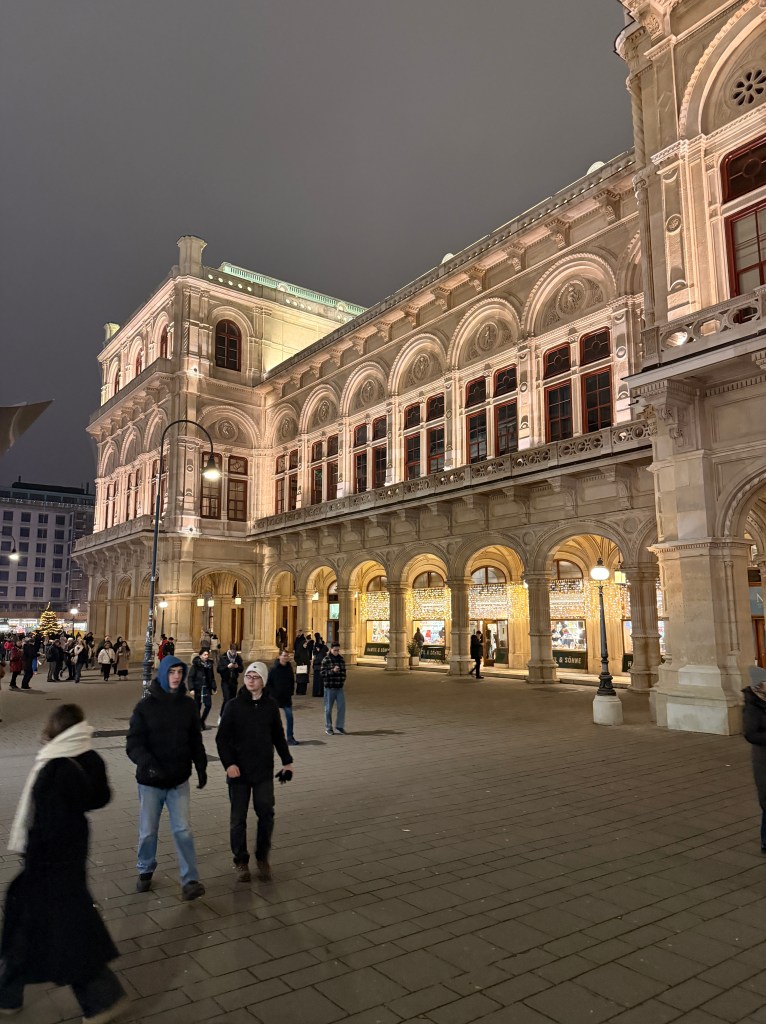
Jung once said, “Why go to therapy when you can listen to Beethoven’s B minor mass?” (Maybe this is not the case, but if Jung did not say it, I said it.) While Beethoven’s 9th Symphony is an ode to joy, his only opera, Fidelio, is an ode to freedom, to right and righteousness, the power of women, feelings of wanting to march for that freedom. (Well, obviously the man behind me wanted to march with the orchestra’s beat and kept on kicking against my seat to the beat of the music. I tolerated it for while, until I could no longer. I reached over the back of my seat and gently touched his knee. He stopped. With the next applause he tapped me on the shoulder with a furious hiss…told me “if you touch me again”. I replied, calmly “kick against me seat again and watch what I do.”) Leaving that there. I think we were all stirred up by Beethoven.
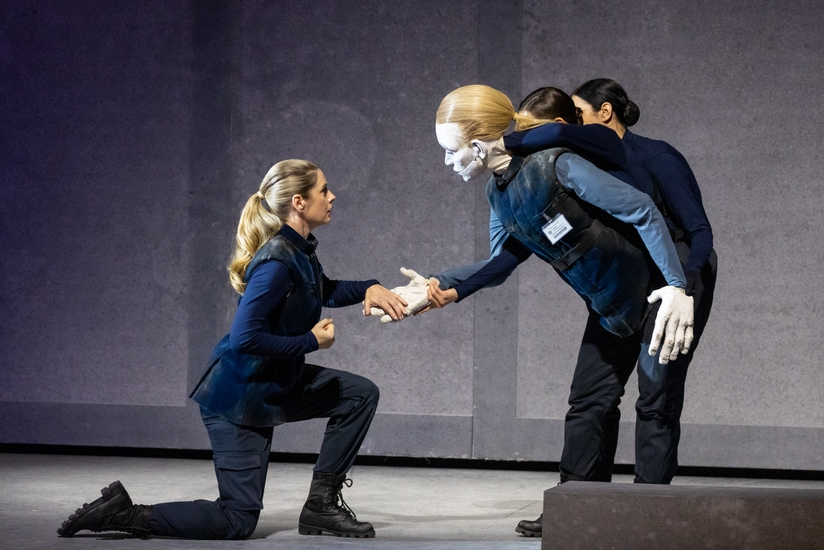
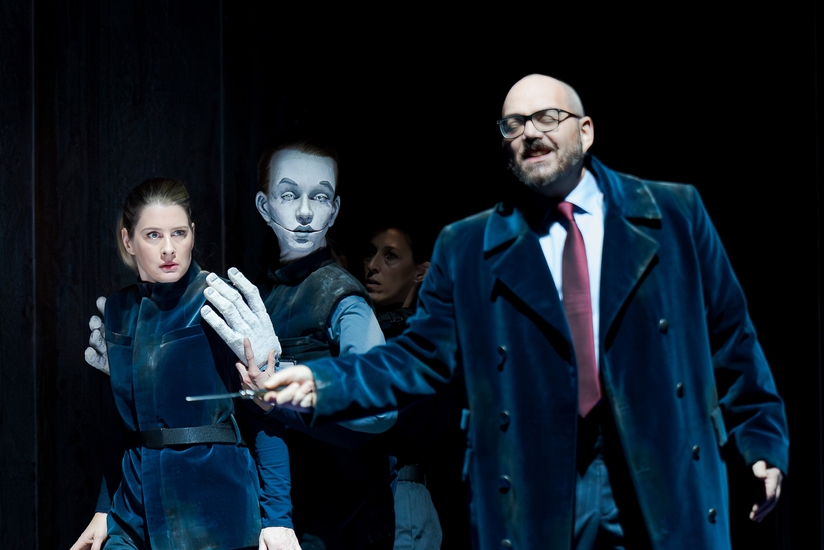
The production is stark, grey, and static. An interesting twist is that Leonore and Florestan are represented on stage by two larger-than-life puppets. This means that Leonore can be Fidelio and Leonore at the same time, which creates an interesting interplay with the character. Malin Byström is a Viking force on stage. Swedish (blond and beautiful), she has an interestingly deep timbre, almost like dark velvet, in her voice. Her roles include Tosca and Salome, both of which would be wonderful to hear her perform. While she is a bit static in her movements (perhaps part of the choreography), she is a masterful performer in this role. David Butt (should he really include this second name?) as Florestan is equally powerful – he made his debut at Sigmund in Die Walküre. Of course, the man is born to sing Wagner.
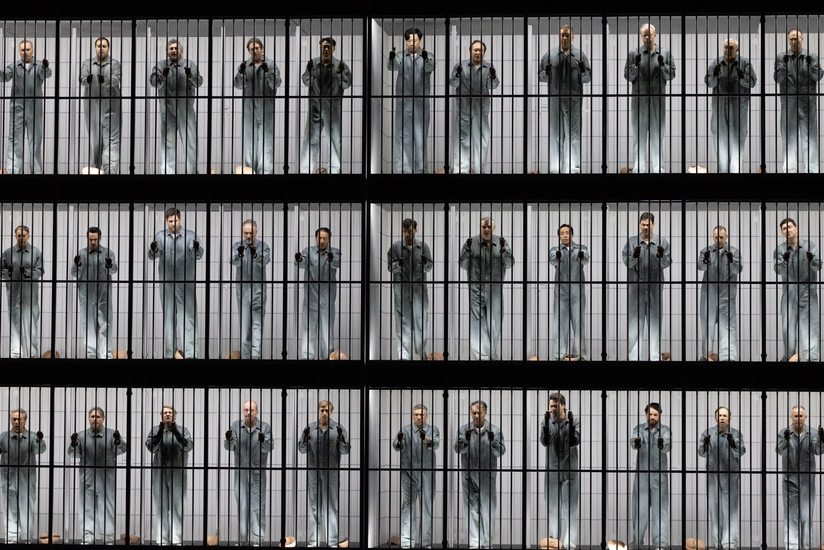
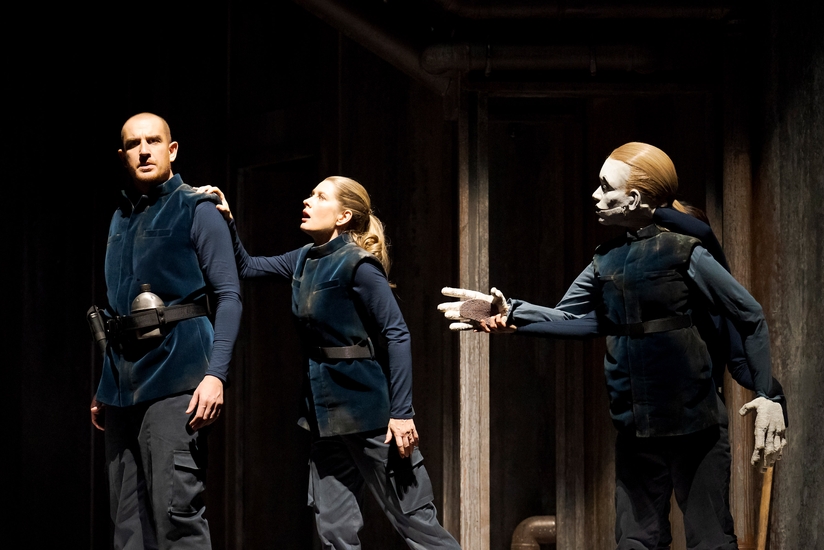
An interesting addition (perhaps a little bit of shine for the Vienna Philharmonic) is the inclusion of the Leonore 3 overture before the last act.
Beethoven wrote four Leonore overtures, with the third considered to be the most majestic. Riveting sounds filled the opera house, an incredible prelude to the most powerful last act where the prisoners are freed, singing the rousing “O welche Lust” (I remember us being below stage forever, waiting to come up and sing this somewhere in the 80s at the State Theatre in Pretoria). Triumphant!
 Italy 2017