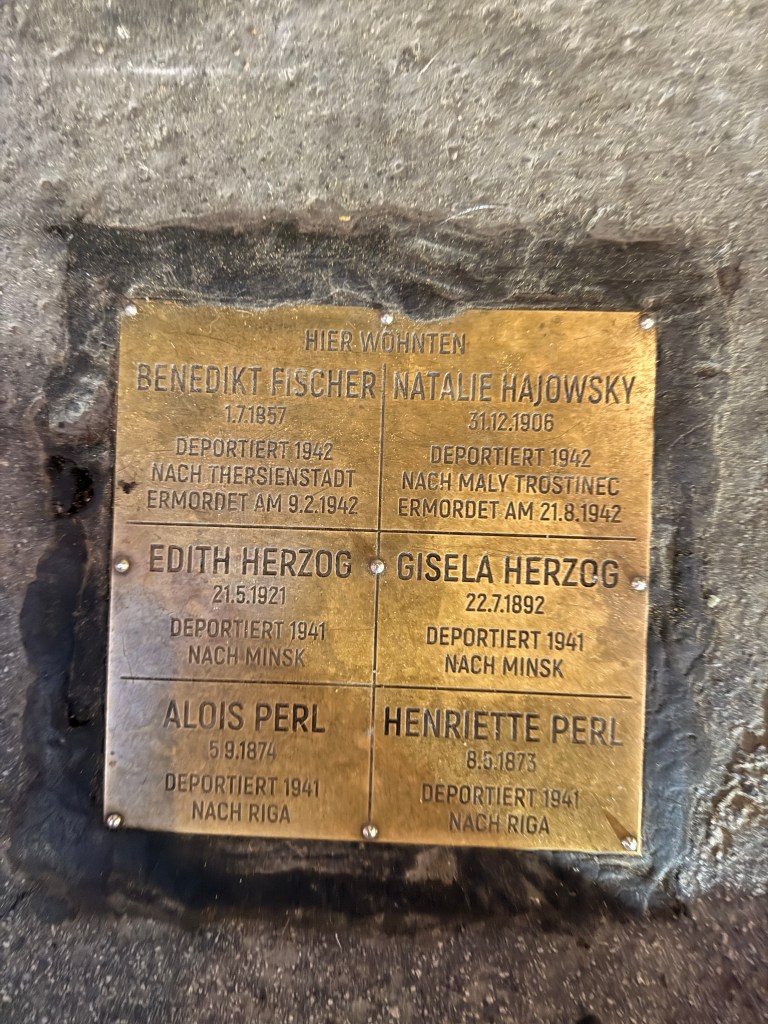
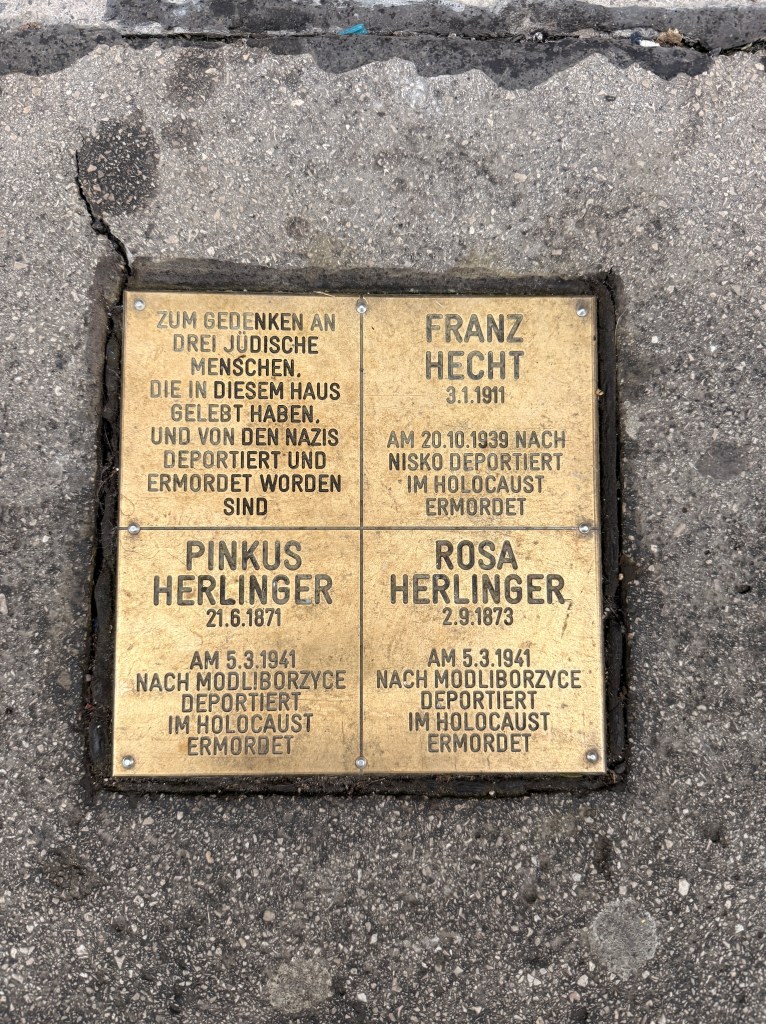
Gunter Demnig (born 27 October 1947) is a German artist. He is best known for his Stolperstein (“stumbling block”) memorials to the victims of Nazi persecution, including Jews, homosexuals, Romani and the disabled. The project places engraved brass stones in front of a former residence for a Holocaust victim who was deported and murdered by Nazi Germany. The memorial effort began in Germany and has since spread, with more than 100,000 stones placed across 26 countries in Europe.
I find these little stumbling blocks fascinating. I noticed them a few years ago for the first time, always having had a very strong emotional connection to the Holocaust. Only 10cm x 10cm, the little brass plaques are embedded in the sidewalks in front of the homes of victims who lost their lives. Each plaque has the name of the victim, their date of birth, and place of death, if known. The idea is that “a human being is only forgotten once their name is no longer mentioned/forgotten.” In Austria, these are also known as “Stones of Remembrance.” I wonder how many people actually notice them and what they think once they see them. The project started in 1992. In all my years of visiting Germany and Austria, I have yet to come across a person who is willing to speak about this part of their history. It would seem that they feel they have done their reparations, which in terms of history I suppose they have. Friends feel that they do not want their children to carry the guilt of the Holocaust with them. Rightly so. And yet, we now see how easily history can repeat itself.
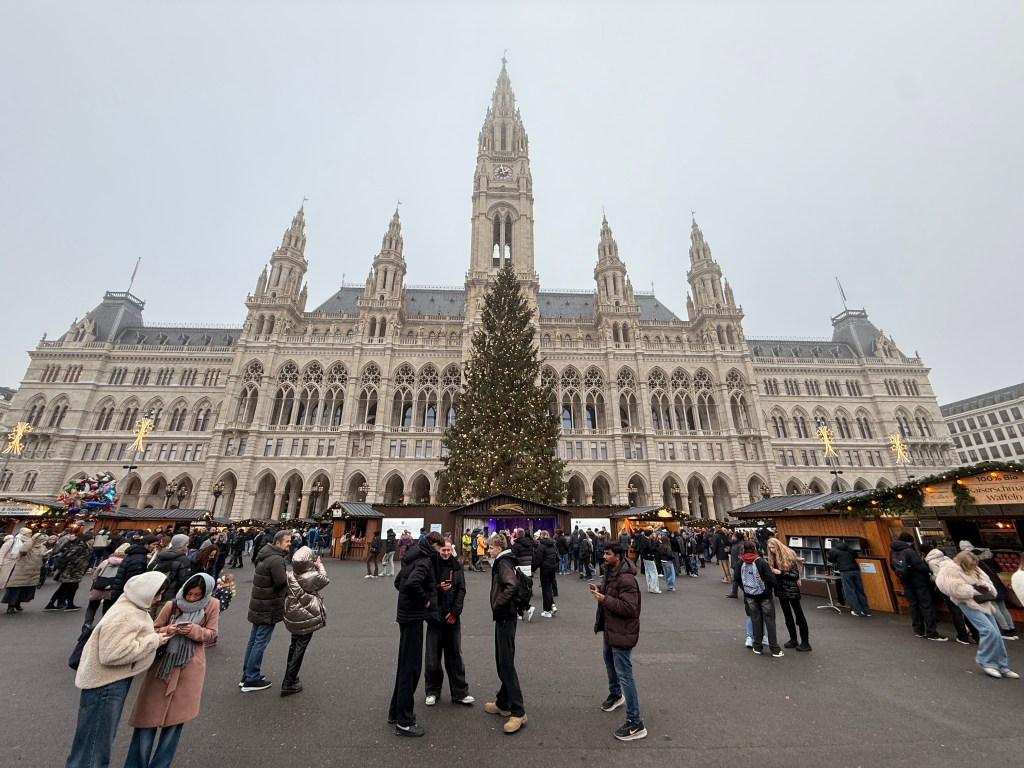
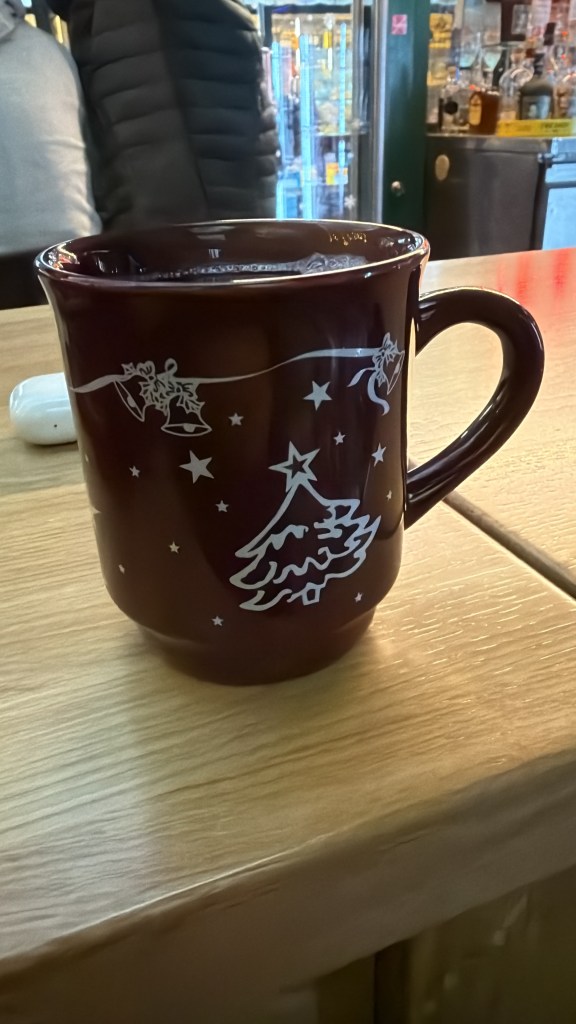
I wander the streets of Vienna trying to soak up the atmosphere, while mostly I soak up the bitter cold. It averages about 2 degrees during the day. As it gets dark in the late afternoon, it gets bitingly cold, and I thank God for Glühwein. People are out on the streets as if it is high summer, standing around high tables at the markets, drinking all sorts of warm punch and Glühwein—about ten different varieties. (I am still to try the other varieties, as I absolutely love the classic red wine with a hint of cinnamon, cloves, and orange.) It is served in fat-belly mugs, a 5 euro deposit per mug. It is delicious, warming me up from deep inside my belly. There are dogs everywhere—I cannot help but wonder if their poor feet are not frozen…
Christmas is taken to the next level with the Christmas Markets, selling mostly Christmassy stuff, but also local crafts like woodwork, candles, knitting, and other handicrafts. Music adds to the atmosphere and spirit of the season, but I do believe most people are like me—there for one reason only: Glühwein. Old and young hang about in the bitter cold, clutching the warm, fat-bellied mugs. People are generally really friendly, and I have been complimented a few times on my “good German,” which of course I find very funny as I learned to speak the Austrian dialect in 1985 in the kitchen of a guesthouse outside Salzburg with the Yugoslavian kitchen staff. Imagine!
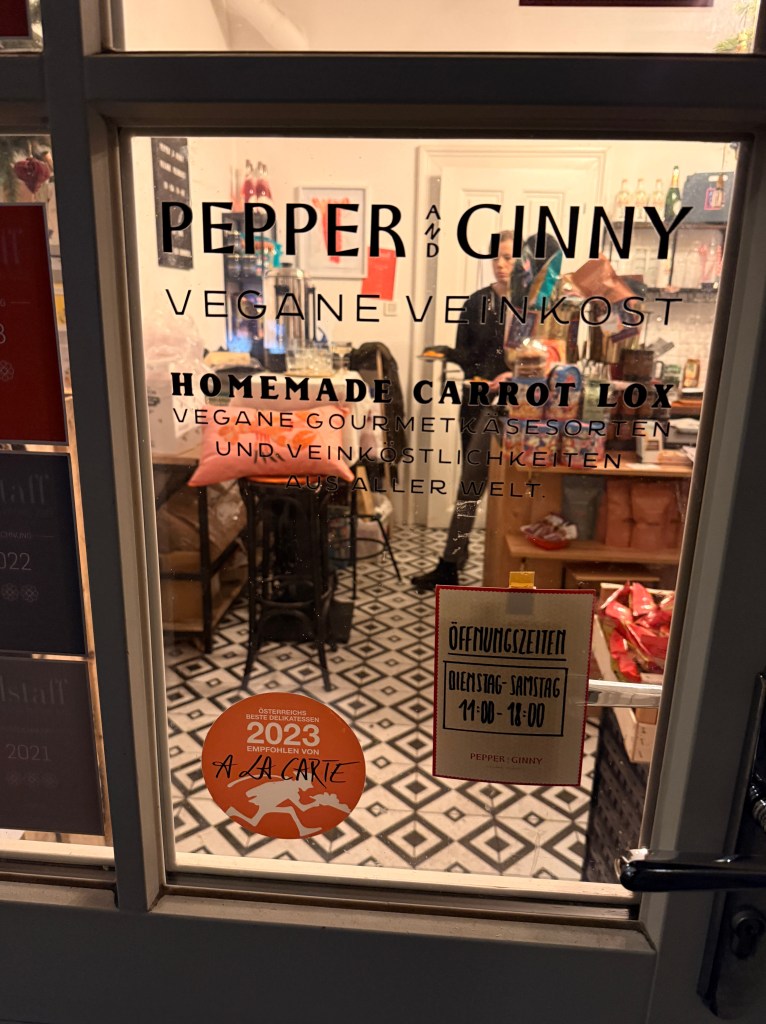
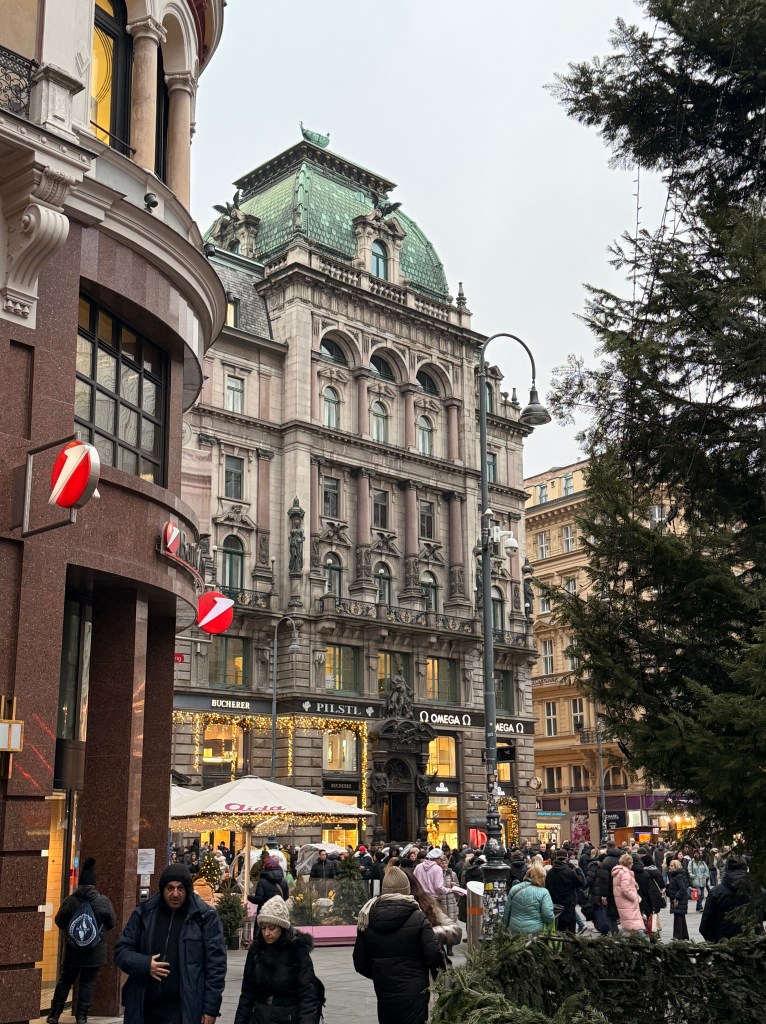
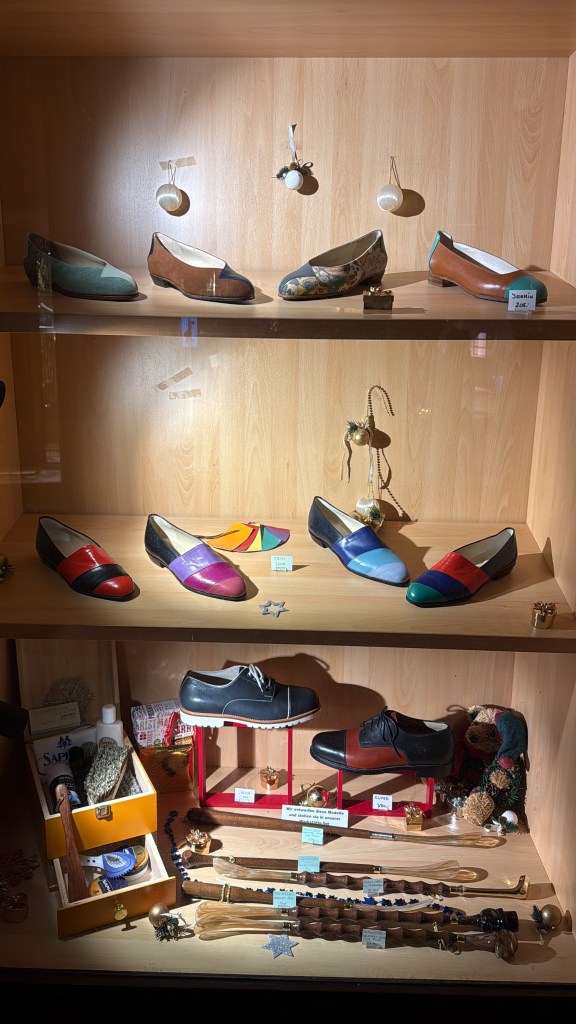
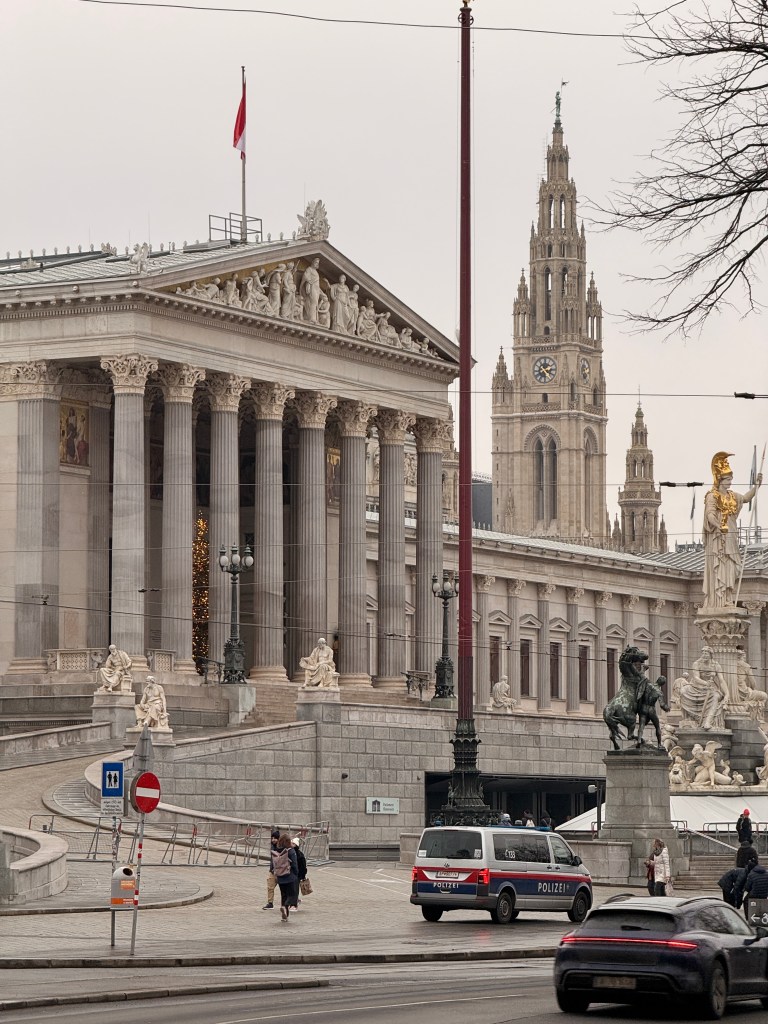
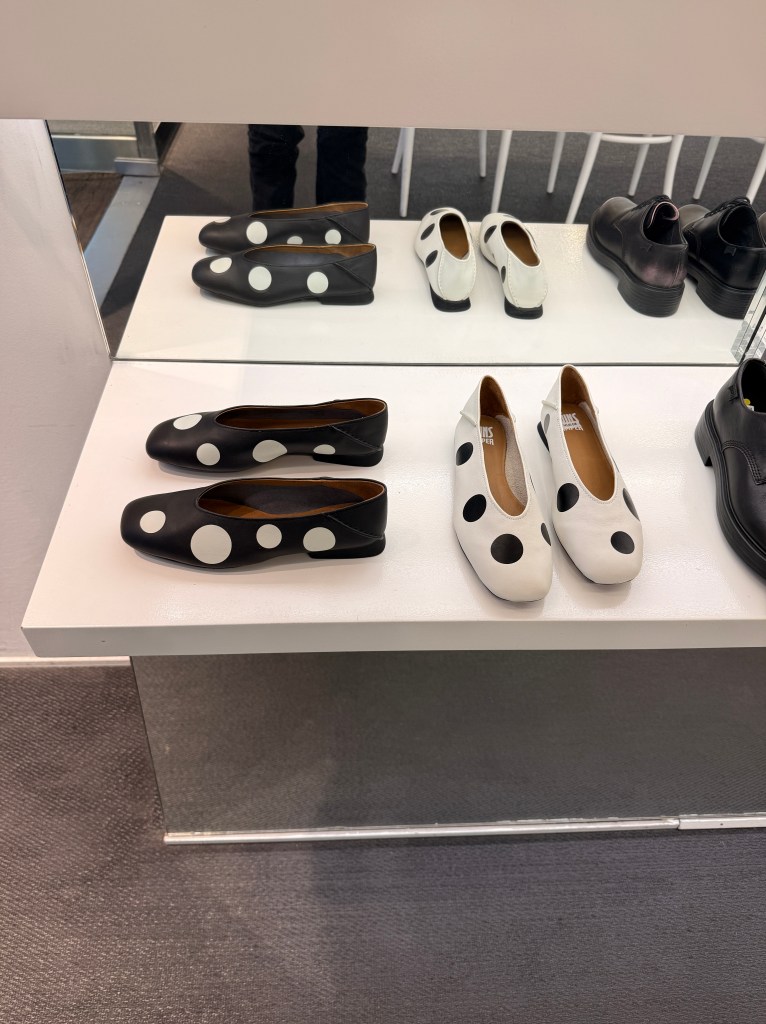
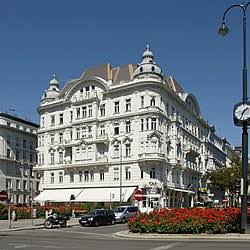
Again and again, I am aware of the sophistication of this city. The architecture, the layout of the streets and parks, the lamp lights ooze a sense of style and glamour that I suppose are still remnants of the Habsburg empire. I wander off the beaten track to areas that are not usually visited by tourists and am still astounded by the architecture. Imposing, elegant, majestic, imperial—buildings that remember, that carry a past that we can now only dream of, an empire so fixated on values of humanity. The municipal housing blocks were built not to become slums but to provide dignity to the poorest of the poor. The architecture is also cultivated to express music, philosophy, and culture right down to the design of a coffee shop. Shop windows are works of art.

 Italy 2017